
Listen to this article:
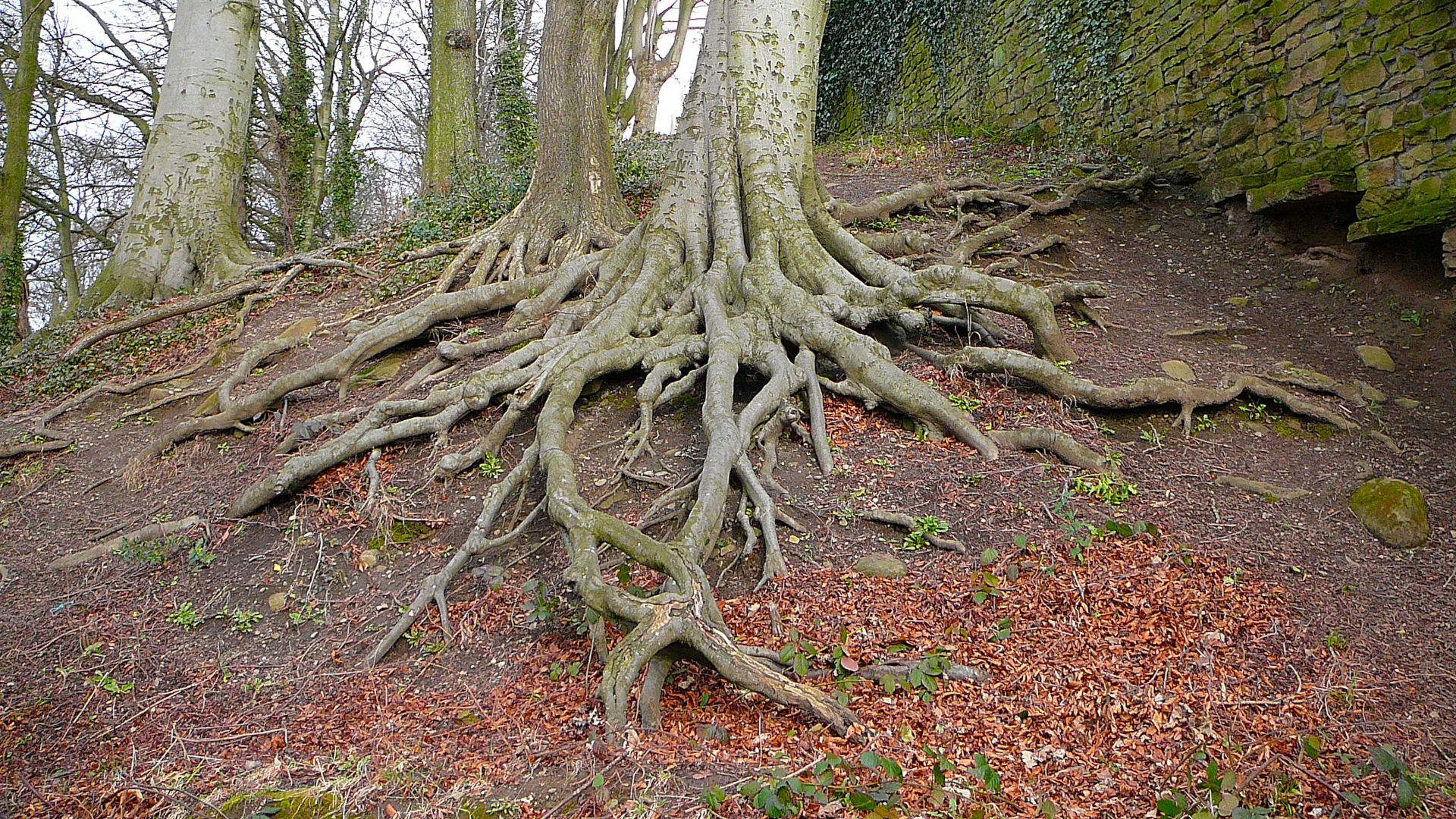
Although #TreesAreTheKey Awareness Week is over for this year, our work continues. It continues in every sapling that grows, in every classroom we’ve funded, in the work of the Mothers of the Forest, and in the dedication of everyone who has ever donated, shared a post, or simply engaged with our work. At Word Forest, we’ve never seen our work as a single-issue cause. Trees are indeed the key, but it’s what they unlock that allows us to make the impact they do. Our work is built on four mutually beneficial roots: planting trees, building classrooms, empowering women and facilitating education. Pull any one of them from the ground and the others suffer the impact, too. When all four of them are nurtured together, they thrive.
Word Forest began planting trees in Kenya in 2017 to promote sustainable development, preservation, conservation and to protect the environment and its resources. Being on the equator, trees in Kenya can grow up to ten times faster than northern latitudes. This means that communities can see the benefits – shade, water, and crops – within years, not decades. The land that they depend on can heal within just one generation, so they can reap the benefits personally. But planting trees alone cannot sustain a community; it needs roots that run deeper than the soil. It needs children who are educated and a future that’s invested in so they can grow up knowing the trees around them are worth protecting.
For every classroom Word Forest builds, 4,000 trees are planted. Education and reforestation are not separate projects. It’s insufficient to simply invest in the land if you don’t invest in the local community too. Word Forest’s success is a direct result of working with the land and people in harmony. In Boré, classrooms were not conducive to a productive learning environment, and some children couldn’t attend school at all. Yet, when Word Forest built new classrooms, constructed to withstand high temperatures and provide a safe environment for learning, they also built futures just as deeply rooted in the community as the trees that planted them.
But this wouldn’t be possible without championing women. Mothers of the Forest was founded on the International Day of Forests, and this is no coincidence; they look after saplings in the nursery and meet twice a month to share best practices for looking after the forest. But it also does something deeper: it gives them a voice, an opportunity to form a sisterhood, and to learn from one another. As they earn money from planting saplings, they earn enough to feed their families and have their children go to school. Without the Mothers of the Forest, our success would not have been possible; their involvement is integral to our work.
With the planting of trees comes the return of wildlife, as trees can support many different species of insects and animals by providing habitats and food sources. The return of birds, insects, and mammals in our forest reflects that it’s not just growing back, but coming alive, too. It indicates ecological health, which sustains the community that takes care of the forest – every root feeds another.
“Intersectionality” is often treated as simple jargon, confined only to academic discussion. Nevertheless, in our work in collaboration with the Boré community, it becomes a reality. Deforestation cannot be solved without addressing issues that cause and are caused by it. It can’t be solved without educating children and empowering women. It can’t be solved without a community that cares for its future. And a community that cares about the future of the ecosystem cannot be built without a reason to hope.
Single-issue interventions can do good, but rarely last or have the desired effect. Word Forest’s work is successful because we refuse to separate these things. Every action we take affects all four roots simultaneously. This is why our work doesn’t end when #TreesAreTheKey Awareness Week does, nor when we reach our next goal. The forest doesn’t stop growing, the children don’t stop learning, the Mothers of the Forest don’t stop planting, and our work continues.
Our four roots are as intertwined as the roots of the trees themselves. You can’t strengthen one without strengthening them all.
Francesca Clifford and The Team